
Expert Picks for Agricultural Fence Installation Supplies
Choose from our curated selection of fencing products favored by professionals for their quality and ease of use.
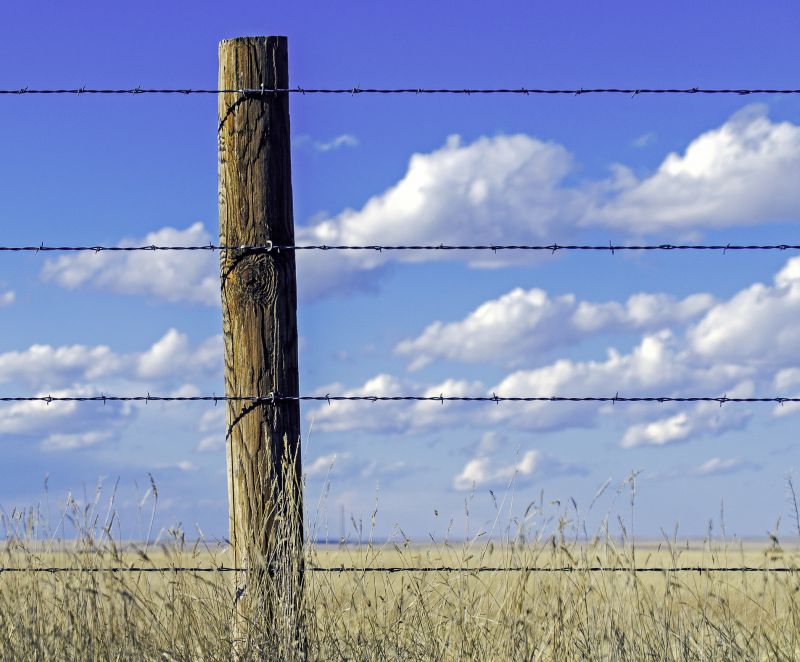 Agricultural fence installations are vital for managing livestock, delineating property boundaries, and protecting crops. Selecting the right products for these installations ensures durability, safety, and ease of maintenance. The variety of fencing materials available caters to different needs, from traditional wood and wire to modern synthetic options. Understanding the characteristics and applications of each type can help in making informed choices tailored to specific agricultural requirements.
Top Overall Option
Versatile Agricultural Fence Post System
A comprehensive fencing post system designed for durability and ease of installation, suitable for various fencing types including wire, mesh, and electric fences. Constructed from weather-resistant materials, it offers stability and longevity in diverse agricultural settings.
Types of Products For Agricultural Fence Installations
Wire Fencing
Flexible and cost-effective, wire fencing options include woven wire and barbed wire, suitable for livestock containment and property boundaries.
Electric Fencing
Electric fencing provides a non-physical barrier that delivers a mild shock to deter animals from crossing boundaries, ideal for rotational grazing.
Wooden Fence Posts
Traditional and sturdy, wooden posts are used for various fencing styles and can be treated for enhanced weather resistance.
Vinyl Fencing
Low-maintenance and durable, vinyl fencing offers a clean appearance and resistance to weathering, suitable for decorative and functional fences.
Mesh Fencing
Metal mesh fencing provides secure containment for smaller animals and is often used in garden or nursery settings.
Barbed Wire
A traditional fencing option characterized by sharp barbs, used primarily for perimeter security and livestock containment.
Chain Link Fencing
Versatile and strong, chain link fencing is suitable for livestock enclosures and property demarcation.
T-Posts
Metal T-shaped posts are popular for supporting wire and mesh fences due to their strength and ease of installation.
Corner and Line Posts
Specialized posts designed to provide structural support at corners and along fence lines, ensuring stability.
Fence Ties and Clips
Accessories used to secure wire or mesh to posts, ensuring a tight and secure fence line.
Gates and Gate Hardware
Various gate designs and hardware components facilitate easy access and secure closures within fencing systems.
Post Caps and Insulators
Accessories that protect posts and insulate electric fences, enhancing durability and safety.
Fencing Wire Tensioners
Devices that help maintain proper tension in wire fences, preventing sagging and ensuring security.
Concrete Fence Posts
Heavy-duty posts suitable for high-security fencing needs, offering excellent stability and longevity.
Fencing Accessories Kit
All-in-one kits that include a variety of components needed for fencing installation and repair.
Popular Choices
Widely used for livestock containment, offering visibility and durability.
Power sources that deliver controlled shocks to electric fences, suitable for various livestock needs.
Commonly chosen for their strength and ease of installation, compatible with many fencing styles.
Corrosion-resistant mesh ideal for secure enclosures and small animal containment.
Traditional fencing material used for perimeter security in agricultural settings.
Enhanced durability and aesthetic appeal, suitable for livestock fences and property boundaries.
Reliable hardware options for secure and functional gate installations.
Designed for electric fencing, providing safety and conductivity.
Protective caps that shield posts from weather damage and enhance appearance.
Support components that help maintain proper wire tension across long fence runs.
Flexible panels that can be moved to different locations as needed for temporary fencing.
Strong, thin wire suitable for high-tensile fencing systems requiring minimal material use.
Various connectors to secure wire, mesh, and other fencing components together.
Robust hinges designed for frequent use and heavy gates in agricultural fencing.
Support posts that reinforce corners and junctions in fencing setups.
Proper fencing not only secures animals but also helps in controlling movement and preventing unwanted intrusions. Installation methods vary depending on the material, terrain, and purpose, making it essential to choose products that align with the specific demands of the site. Accessories such as posts, connectors, and gates further enhance functionality and longevity.
Investing in quality fencing components can lead to reduced maintenance costs and improved safety for both animals and workers. Regular inspection and timely repairs are recommended to maintain the integrity of the fence line. Whether establishing a new perimeter or upgrading an existing setup, selecting the appropriate products is a key step toward creating a reliable and effective fencing system.
Key Buying Considerations
- Determine the primary purpose of the fence, such as livestock containment, property boundary, or crop protection.
- Consider the type of animals or objects the fence needs to contain or exclude.
- Evaluate the terrain and soil conditions to select appropriate posts and foundation methods.
- Assess the climate and weather exposure to choose weather-resistant materials and coatings.
- Decide on the fencing material based on durability, visibility, and maintenance requirements.
- Estimate the total length and height needed to ensure complete perimeter coverage.
- Check compatibility of accessories like gates, hinges, and tensioners with your chosen fencing type.
- Factor in ease of installation and whether professional help or DIY is preferred.
- Review local regulations or property restrictions that may influence fencing choices.
- Consider future expansion or modifications to the fencing system for flexibility.
- Account for budget constraints while balancing quality and longevity of materials.
- Look for corrosion-resistant features, especially in areas with high moisture or salt exposure.
- Evaluate the availability of replacement parts and ongoing maintenance needs.
- Prioritize safety features such as proper insulators for electric fences and secure gate hardware.
- Think about aesthetics if visual appeal is important for your property.